
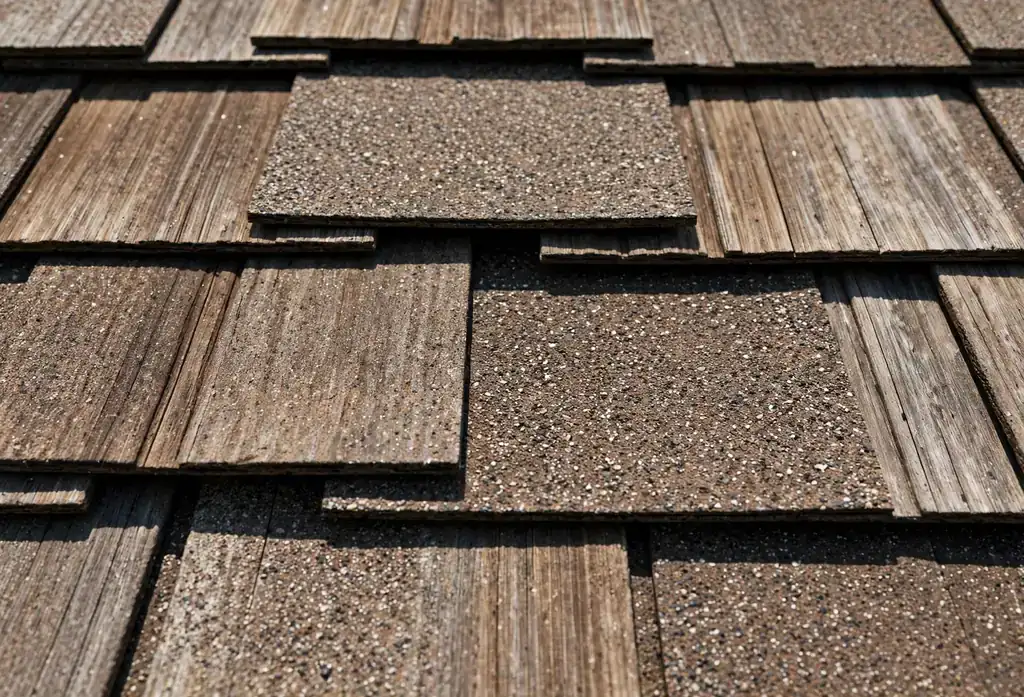
Shingle Roofing
Shingle Roofing in South Bend, IN
Shingle roofing in South Bend, IN, is the dominant evidenced material on the city's homes: asphalt shingles are what the housing-stock evidence and market norms point to, and they are the covering most replacement and repair conversations here involve. This page explains the material, compares architectural and 3-tab shingles without prices or lifespan figures, and sets out the flashing, ventilation, and ice-barrier details that matter as much as the shingle itself. For the other main material conversation, see metal roofing; for low-slope roofs, see flat roofing. Call (574) 901-6308 during business hours.
Service overview
Asphalt Shingle Roofing, the South Bend Default
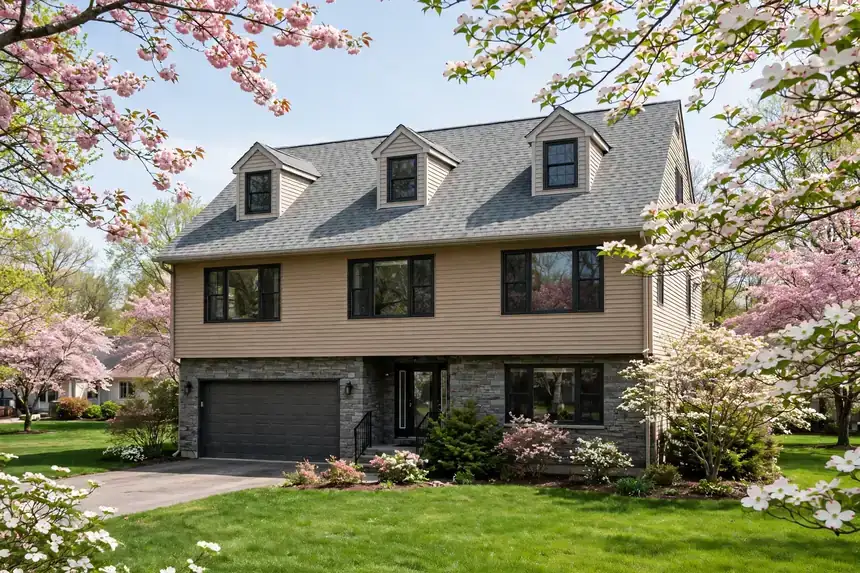
An asphalt shingle roof is a system, not a surface: deck, underlayment, ice barrier at the eaves, flashing at every joint, ventilation in and out, and then the shingles themselves, laid in overlapping courses. The shingle is the visible part, and the parts beneath it decide how the roof behaves in lake-effect snow, freeze-thaw, and wind. The roof replacement page covers the permit and tear-off questions, and the roof repair page covers what a targeted shingle repair can fix.
This page names no brands and no product lines, states no prices, and publishes no lifespan figures, because none of those were sourced for this business or this city in the research behind this site. What it does is compare the two shingle profiles homeowners actually choose between, architectural and 3-tab, on construction and appearance, and set out the system details that apply to both. The metal versus shingle post compares materials from the homeowner side.
The system
A Shingle Roof Is a System, Not a Surface
Four details matter as much as the shingle profile chosen. Each is checked on any serious shingle conversation.
Underlayment and ice barrier
Underlayment covers the field, and an ice barrier protects the eaves, where meltwater refreezes. The adopted code design values for St. Joseph County list ice shield as required, which makes the eave detail a code question, not an optional extra.
Flashing at every joint
Chimneys, walls, skylights, dormers, and penetrations interrupt the field, and flashing at those joints decides whether the roof stays dry. The chimney flashing page covers the most involved detail.
Ventilation, in and out
Air in at the eaves and air out at the ridge keeps the attic closer to outdoor temperature, which bears on ice dams and on the covering itself. The soffit and fascia page covers the intake side.
Courses, valleys, and edges
Shingles are laid in overlapping courses, with valleys and edges detailed to shed concentrated water. Valleys gather runoff from two slopes, so their construction is checked with particular care.
How the work proceeds
How a Shingle Roofing Conversation Proceeds
The sequence below is the usual shape of a shingle roofing conversation, from the first look to the record left behind.
STEP 01
Discuss and inspect
The roof surface and the attic are checked, the history taken down, and the question stated: repair, replacement, or a material comparison before deciding anything.
Architectural vs 3-tab
Architectural Versus 3-Tab Shingles: A Comparison Without Prices
Architectural construction
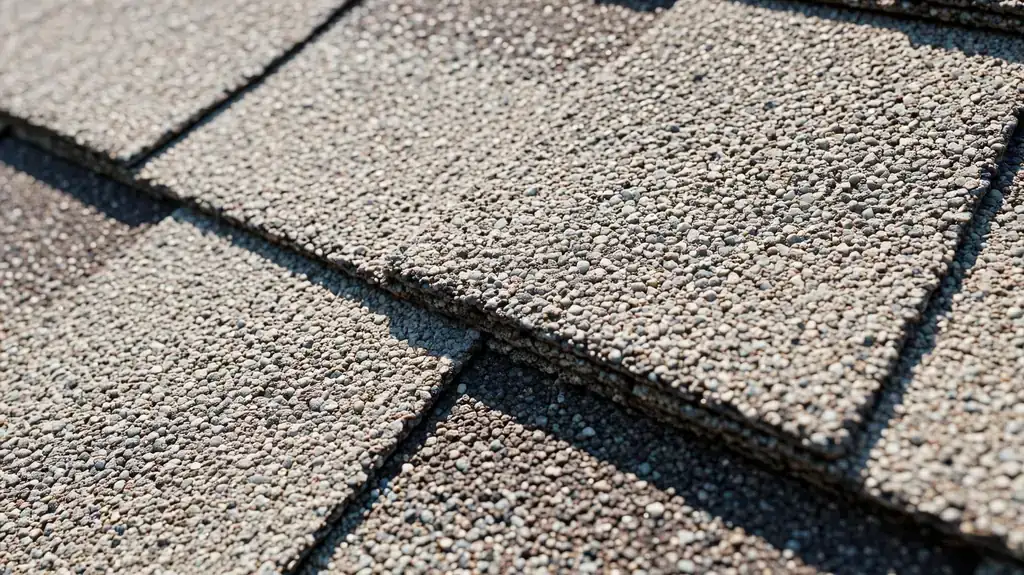
Architectural shingles, also called dimensional shingles, are made of multiple layers laminated together, giving a thicker, varied profile. The layering is the defining construction difference from 3-tab shingles.
3-tab construction
3-tab shingles are a single layer, cut into three tabs that lie flat in a regular pattern. The flat, uniform look is the defining appearance difference, and the single layer is the defining construction difference.
Appearance
Architectural shingles present a varied, shadowed surface that reads as depth from the street. 3-tab shingles present a flat, regular pattern. The choice is partly aesthetic, and the street view is worth considering alongside the construction.
Thickness and weight, generally
A laminated shingle is thicker and heavier per unit than a single-layer shingle, in general terms. No weights are stated here, since product figures vary and none were sourced. The deck and framing questions belong in the inspection, not in a table.
Wind behavior, generally
Both profiles depend on seals between courses and on proper fastening for wind resistance, and both are judged against the 115 mph design wind speed in the code values. No product-specific wind claim is made here.
Pitch considerations
Roof pitch bears on any shingle choice, since low slopes shed water more slowly and demand more of the underlayment and detailing. Steep revival-suburb pitches and low postwar ranch slopes present different detailing questions.
Ventilation needs
Both profiles need the same ventilation pair: intake at the eaves and exhaust at the ridge. The profile choice does not change the ventilation question, and a re-roof is the natural moment to look at both sides together.
Ice barrier
Both profiles sit over the same ice-barrier requirement at the eaves. The adopted code design values list ice shield as required, and the eave detail is discussed on every shingle re-roof, whatever the profile.
Granules and color, generally
Granules protect the asphalt beneath from sun, and their loss across the field is a wear sign for either profile. Color is a homeowner choice with street-view consequences; no color or product names are stated here.
Choosing: questions to ask
What does the inspection show about the deck and flashing? What does the district status require? What does the roof form, pitch, and valley layout demand? Those questions decide more than the profile comparison alone, and they are asked before the choice is made.
Where shingle roofing fits
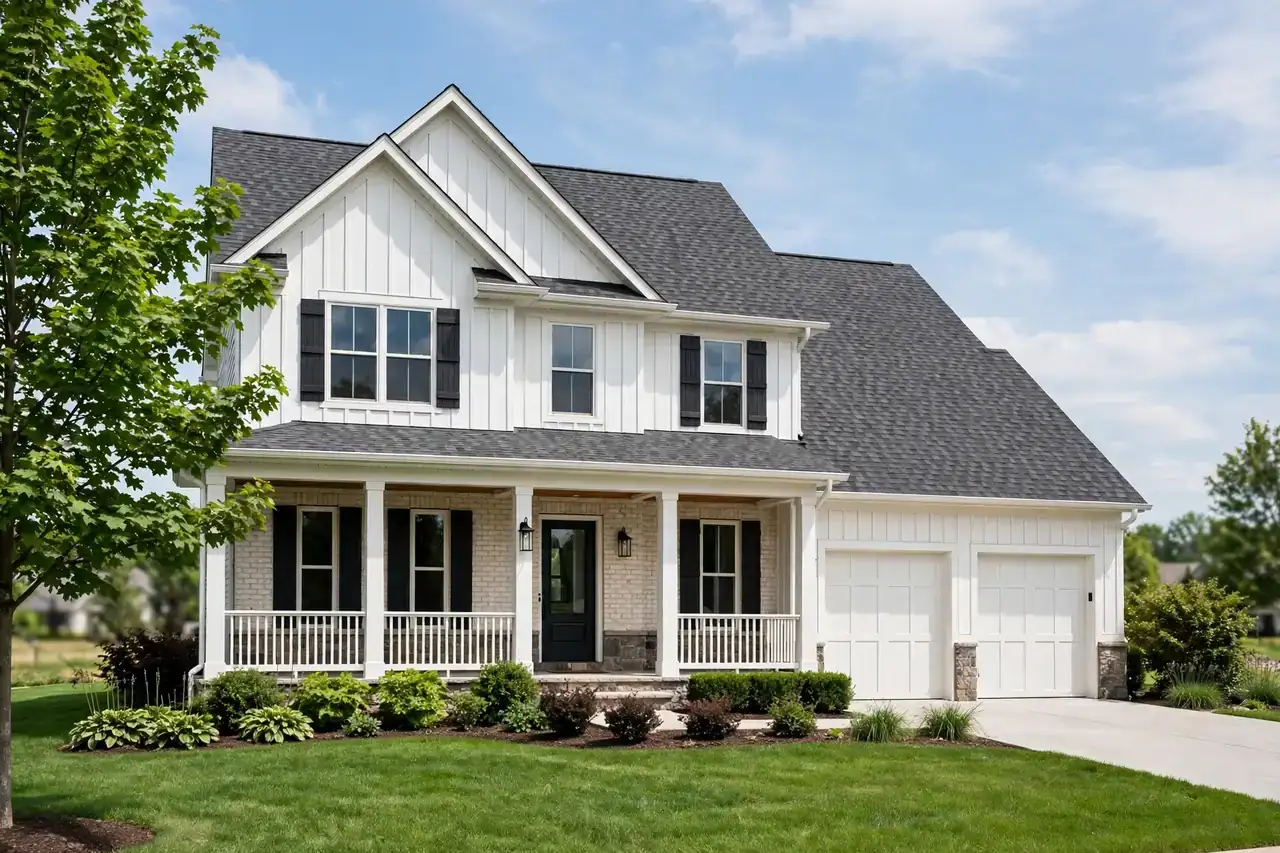
Shingle Roofing Situations in South Bend
An older home re-roofed
A pre-1920 core house with a layered roof is re-roofed in asphalt shingle, with the deck, prior layers, ice barrier, and ventilation weighed as plausible themes. The roof replacement page covers the permit side.
A storm-damaged slope
One slope is damaged by a dated storm while the rest holds. The documentation, inspection, and scope follow the storm damage sequence, and the profile question is asked against the existing covering.
A sale, with the roof in question
A buyer or seller needs the roof question answered with findings in writing. A roof inspection covering surface and attic gives both sides something concrete to read.
A district address, in-kind asphalt
In a locally designated historic district, in-kind asphalt re-roofing is administratively approvable under the district standards. The COA still comes before the permit, and the address is checked first.
South Bend context
Shingle Roofing Against South Bend Housing and Weather
Asphalt shingle is the dominant evidenced material across South Bend's three housing layers, from the pre-1920 core through revival suburbs to the postwar ring. Lake-effect snow, with a 1991–2020 normal of 64.5 inches and a range from 39.0 inches in 2021 to 91.8 inches in 2022, freeze-thaw cycles, and the 115 mph design wind speed frame the weather side. Neighborhood notes below link to the Lincoln Park, River Park, and Edison Park pages.
Lincoln Park
Early-1900s stock northwest of downtown, where the 2012 neighborhood plan describes homes as built with gabled roofs, wood shingles, brick chimneys, and porches. That describes homes as built, not current coverings, and the rebuild cohort alongside must not be conflated with it. Read the Lincoln Park roofing notes.
River Park
East-side stock developed primarily 1920–1960, with small cottages, Colonial Revivals, and ranches. Roof materials at neighborhood level are unverified, so the covering question is answered address by address. Read the River Park roofing notes.
Sunnymede
A 1920s subdivision with mixed revival and Foursquare stock, where the East Wayne Street local historic district has an active COA process. In-kind asphalt re-roofing is administratively approvable there. Read the Sunnymede roofing notes.
Edison Park
East-side subdivision where 1950s builds are the harder evidence in an unresolved era conflict. Low-pitch shingle on 1950s ranches is an inference, labelled as such. Read the Edison Park roofing notes.
Wooded Estates
A subdivision split by Twyckenham Drive, with a plat recorded in 1946. Pitched, varied roofs are an inference from the forms; roof data at neighborhood level is unverified. Read the Wooded Estates roofing notes.
Lake-effect snow
The NWS normal of 64.5 inches, with a wide range from 39.0 inches in 2021 to 91.8 inches in 2022, means snow load, ice barrier, and ventilation belong in every shingle conversation here, along with the 30 psf ground snow load in the code values.
Wind
The design wind speed is 115 mph, and the June 23, 2019 EF2 tornado in Gulivoire Park is the dated local wind event. Seals between courses are what hold a shingle field against wind.
Hail
Secondary sources report hail up to 2.5 inches on July 20, 2023, and 2.75-inch hail on June 15, 2008. Hail bruises shingles in ways not visible from the ground; see hail damage.
Layered older roofs
Prior layers hide deck condition and add weight. On older core houses, the number of prior layers is a plausible theme for any shingle conversation, labelled as inference from the housing-stock evidence.
Problems we solve
Shingle Problems Addressed in South Bend
Before any scope is written, each problem below is checked on the surface and in the attic together.
Curling and aging shingles
Curling, cracking, and brittleness across the field point to a covering wearing out. Whether that is a repair or replacement question depends on how widespread it is and what the attic shows.
Granule loss
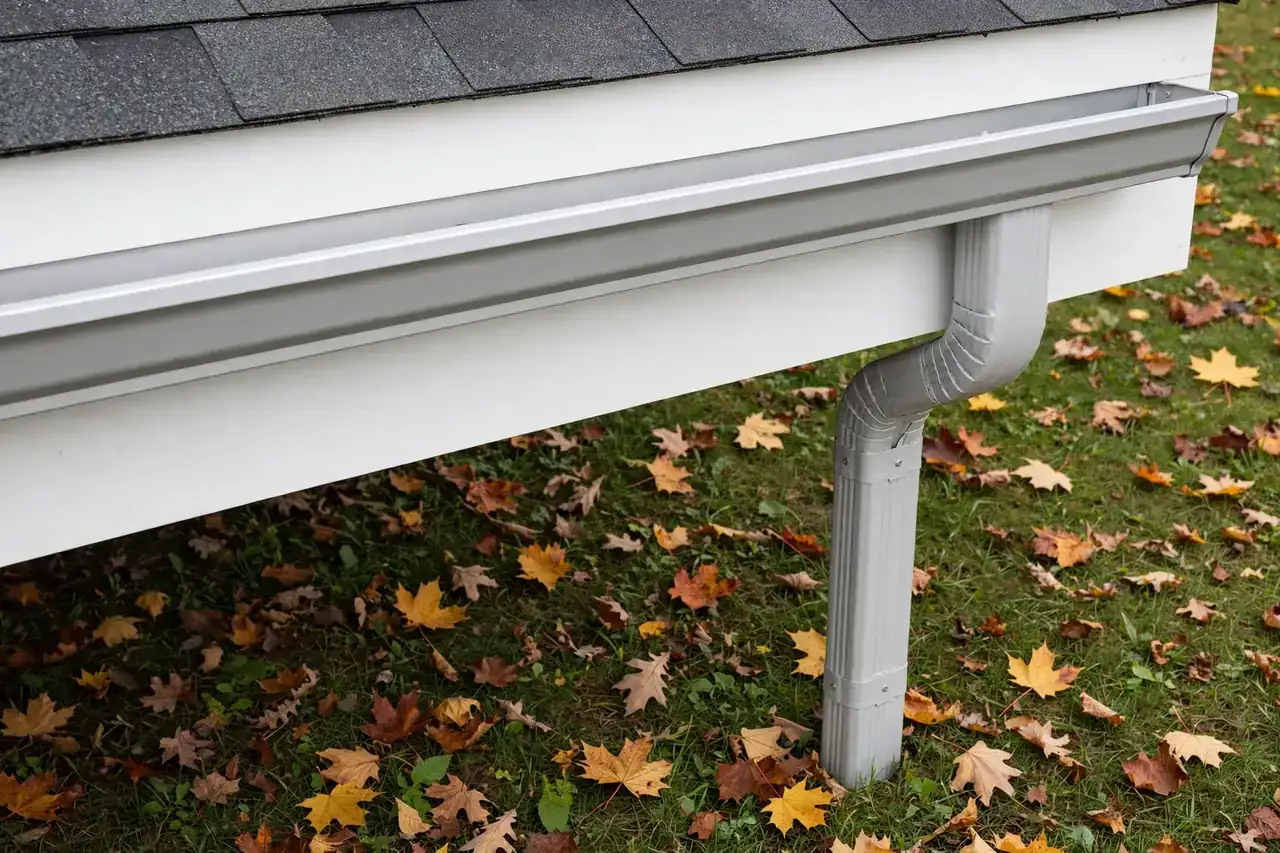
Granules collecting in gutters, with thinning visible on the surface, mean the asphalt beneath is losing its protection. The extent is weighed slope by slope.
Wind-lifted tabs
Tabs lifted by wind, with seals broken, admit water in the next rain. The field is checked beyond the visibly lifted pieces, since damage spreads through neighboring seals.
Valley wear
Valleys gather runoff from two slopes, so wear shows there first. A valley question is answered through the valley construction and underlayment, not only across the visible shingles.
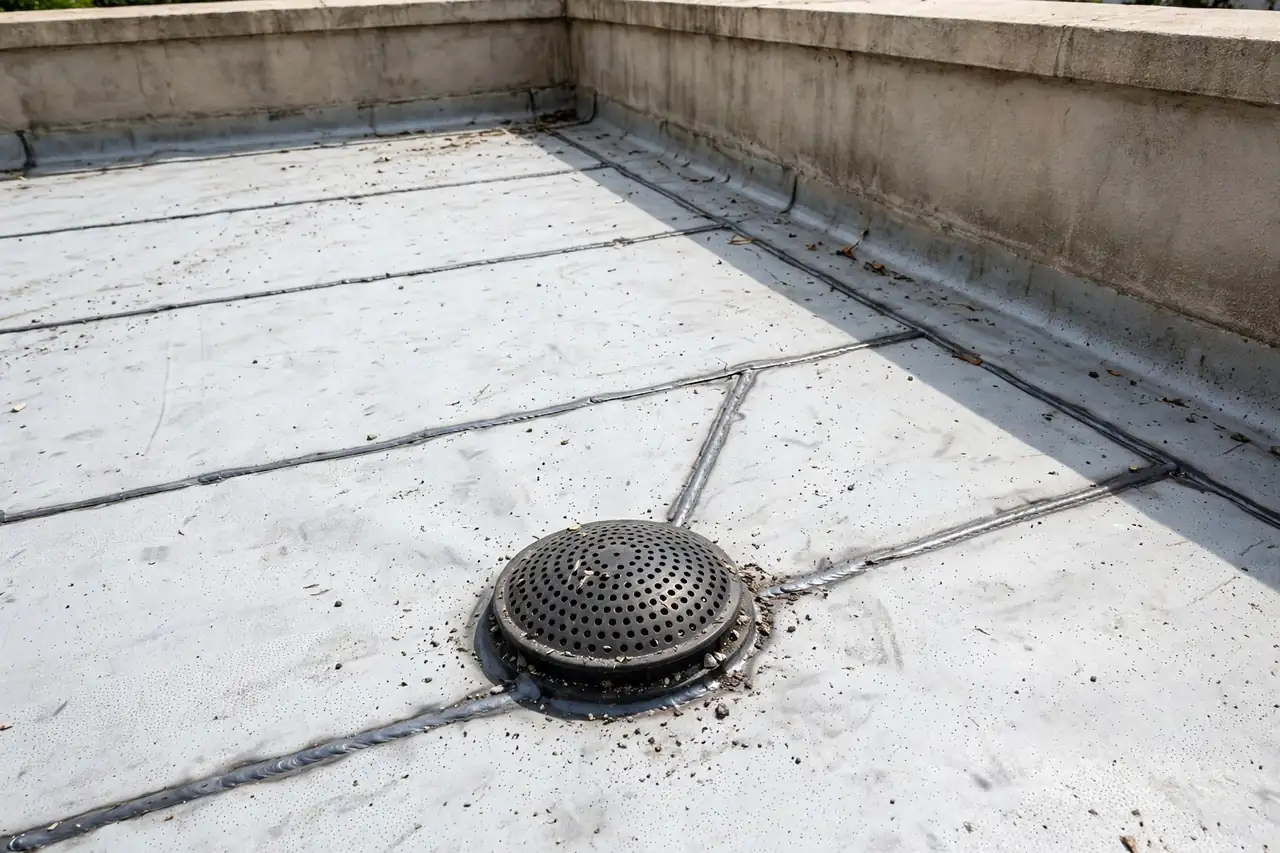
A practical standard for every visit.
Clear planningPrepared arrivalsCareful workLocal follow-through
What to expect
What a Shingle Roofing Conversation Covers
A shingle roofing conversation covers the inspection findings, the profile comparison, the system details, and the permit and approval steps for the address. Quality Roofing LLC is a South Bend roofing contractor at 63251 Mulberry Rd, reachable by phone at (574) 901-6308 during listed hours. The metal versus shingle post compares materials from the homeowner side.
- Inspection findings: surface, attic, flashing, and drainage considered together
- The architectural versus 3-tab comparison, without prices or lifespan figures
- System details: underlayment, ice barrier, flashing, and ventilation
- Phone contact during listed hours: Mon–Fri 7 AM–7 PM, Sat 8 AM–8 PM, Sun Closed
- A 5.0-star rating from 23 Google reviews, with excerpts and a link to the Google profile below
Neighborhood pages
Neighborhood Pages for South Bend Roofing Notes
Downtown South BendNear NorthwestRiver ParkHoward ParkSunnymedeKeller ParkEdison ParkLincoln ParkLaSalle Park
See all neighborhood pages Notes from local customers
What South Bend Homeowners Say
Quality Roofing did a great job on our roof. They showed up as promised and our roof was completed in 2 days, including tearing off the old shingles, and replacing several sheets of plywood. We are very happy with their work.
I could not have asked for a better crew to redo my roof! They were kind, respectful, cleaned up everything when they finished. My roof looks awesome!
The guys were able to finish the job in one day even though the short rain. They were very respectful not only to me but about my property.
Architectural shingles are multiple layers laminated together, giving a thicker, varied profile. 3-tab shingles are a single layer cut into three tabs, lying flat in a regular pattern. The comparison on this page carries no prices and no lifespan figures, since none were sourced.
This page publishes no lifespan figures. Covering life depends on the product, the installation, ventilation, storm history, and maintenance, and no sourced figure exists for this business or this city. Condition, found by inspection, is the honest measure.
Yes. Re-roofing is permitted work through the joint St. Joseph County / City of South Bend Building Department, with separate cost lines for tear-off and overlay. In a locally designated historic district, the COA comes before the building permit.
In-kind asphalt re-roofing is administratively approvable under the Historic Preservation Commission Standards and Guidelines. The COA still comes before the permit, and the address should be checked against the district maps first.
Keep exploring
Other roofing work we handle
Call during business hours
Talk About Shingle Roofing in South Bend
Call Quality Roofing LLC at (574) 901-6308 during listed hours: Mon–Fri 7 AM–7 PM, Sat 8 AM–8 PM, Sun Closed. Describe the roof and the question, and the conversation starts from the findings and the profile comparison.
Start with the basics
Contact Quality Roofing LLC
Call Quality Roofing LLC at (574) 901-6308 during business hours: Mon–Fri 7 AM–7 PM, Sat 8 AM–8 PM, Sun Closed. Phone is the contact channel for this business. The office address is 63251 Mulberry Rd, South Bend, IN 46614.