
Roof Replacement
Roof Replacement in South Bend, IN: Tear-Off and Permits
Roof replacement in South Bend, IN, is a bigger decision than a shingle swap: the old covering comes off or is covered over, the deck is checked, and the work is permitted through the joint St. Joseph County and City of South Bend Building Department. This page explains tear-off versus overlay, what the permit form asks for, and how historic-district review fits in, so the conversation starts from facts. For a smaller problem, see roof repair or a roof inspection first. Call Quality Roofing LLC at (574) 901-6308 during business hours.
Service overview
What Roof Replacement Involves in South Bend
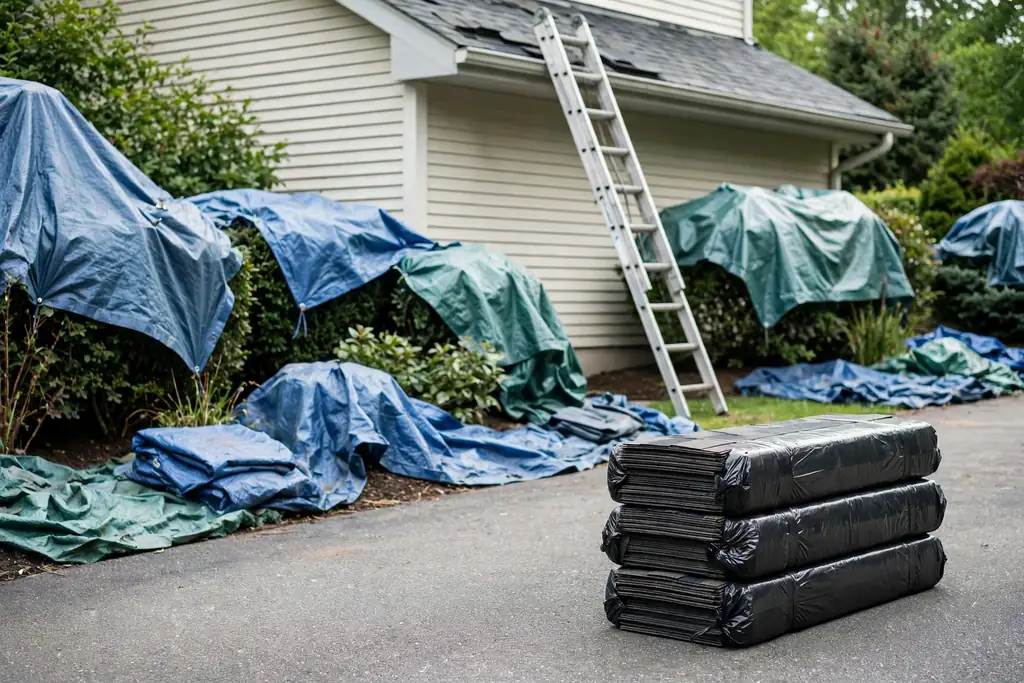
A roof replacement rebuilds the roof system from the deck up: the existing covering is removed or, in an overlay, covered; the deck is inspected; underlayment, flashing, and ventilation details are addressed; and the new covering goes on last. The covering most South Bend homes carry is asphalt shingle, described on the shingle roofing page, while metal roofing is a separate material conversation with its own district rules. What matters most is the order of the work and the condition of what lies underneath, not the covering alone.
Indiana has no state roofing licence; roofing contractors register locally as Building Contractors. The joint Building Department publishes a general registration requirement of $125 per year plus a $5,000 surety bond, with workers-compensation proof and INBiz registration, and the wording of its application materials should be verified against the current application before anyone relies on it. This page makes no claim about Quality Roofing LLC holding any registration. On older South Bend houses, deck condition, the number of prior layers, ice barrier, and ventilation are the plausible technical themes of a re-roof, labelled here as plausible themes from the housing-stock evidence rather than findings about any specific roof. The questions to ask before hiring a roofer post covers the same ground from the homeowner side.
What the work turns on
Four Themes That Shape a South Bend Re-Roof
These themes come from the age and construction of South Bend housing stock. They are questions to ask about any specific roof, not findings about yours.
The deck, seen for the first time
A tear-off exposes the deck across the whole roof, so soft or damaged sheathing can be found and addressed before the new covering hides it. On a second- or third-generation roof, deck condition is a plausible theme worth discussing before work starts, because what is found there can change the scope.
Prior layers and their weight
Older roofs sometimes carry more than one layer of covering from earlier work. The permit form treats tear-off and overlay as separate cost lines, each with its own fee, so the choice between removing the old covering and covering over it is a real decision with paperwork attached, not a detail to settle on the day.
Ice barrier at the eaves
The adopted code design values for St. Joseph County list ice shield as required. In a lake-effect snow city, the eaves are where meltwater refreezes, so the ice barrier and the condition of the eave edge deserve specific attention in any re-roof conversation, along with the attic conditions described on the roof inspection page.
Ventilation, intake and exhaust together
Ventilation works as a pair: air in at the eaves and air out at the ridge. A re-roof is the natural moment to look at both sides together, including the soffit and fascia details covered on the soffit and fascia page, because an exhaust vent without intake does not move air the way the system intends.
How the work proceeds
How a Roof Replacement Proceeds, Step by Step
Every roof differs, but the sequence below is the usual shape of a replacement conversation in South Bend, including the permit and approval steps that come before work begins.
STEP 01
Look and listen first
The roof surface and the attic are checked, findings are photographed, and the homeowner describes the history: leaks, past repairs, and anything noticed from inside. The result is a written scope describing the work proposed, so the decision rests on specifics rather than a hallway conversation.
Permits and codes
Permits, Codes, and Historic-District Review in South Bend
Re-roofs are permitted work
The Renovation/Remodel permit form used by the joint Building Department covers re-roofing, so a roof replacement in South Bend is permitted work rather than work that proceeds without a permit. The form and the fee schedule are the primary sources; anything else is commentary.
Tear-off and overlay: separate cost lines
The permit form requires separate cost lines for tear-off/re-roof and for roof overlay, and each is fee'd separately. The permit fee schedule has a $60 minimum (Fee Schedule 2026 — verify the current schedule before relying on any fee figure, since fees change by ordinance). A signed contract is required at submittal.
The joint Building Department
Permits for work inside South Bend city limits, and in unincorporated St. Joseph County, go through the joint St. Joseph County / City of South Bend Building Department, 215 S. Dr. Martin Luther King Jr. Blvd, Ste. 100, South Bend, phone (574) 235-9554, shown here as plain text for permit questions. That number is the Building Department, not Quality Roofing LLC.
What the permit form asks for
Beyond the separate cost lines, the form asks for the contract behind the work, with a signed contract at submittal. Keeping the signed scope and the permit record together makes later questions, from a buyer or an insurer, much easier to answer.
No published repair threshold
No verified rule states a dollar or size threshold below which roofing work needs no permit, and a figure sometimes repeated from a fee-schedule heading is a heading only, not an exemption rule. Repair thresholds based on squares, percentages, or deck replacement were not found in any primary source, so this page states none. When in doubt, ask the Building Department.
Certificate of Appropriateness before permit
In the HP Overlay, a Certificate of Appropriateness (COA) is required before construction, reconstruction, or alteration of any exterior feature, and the COA comes before the building permit. The Historic Preservation Commission reviews; a COA is valid for one year. Approval is the Commission's decision, not the roofer's.
National Register listing triggers nothing
Listing on the National Register of Historic Places is honorary and triggers no review for a private owner. Local designation is what triggers COA review. Confusing the two is the most common misunderstanding in South Bend historic-district roofing, and it runs in both directions.
District roof standards, read directly
The Historic Preservation Commission Standards and Guidelines state that in-kind asphalt re-roofing is administratively approvable; that slate, tile, metal, and asbestos roofing may be replaced only if more than 50% deteriorated beyond repair; that exposed-fastener corrugated metal is not approved; and that standing seam may be considered. These are district rules, not a list of services offered.
Design values that shape the job
The adopted code design values for St. Joseph County include 115 mph wind speed, 30 psf ground snow load, ice shield required, and a 1°F winter design temperature, with severe weathering. These values are the code anchors behind the snow, wind, and ice-barrier discussion on this site.
Mishawaka has its own department
Mishawaka, to the east, has a separate building department, and its residents are not directed to the joint department. This page describes the joint department's process only. Anyone unsure which desk covers an address should confirm before applying.
Where replacement fits
Situations Where Replacement Enters the Conversation
An older home with a layered roof
A pre-1920 core house may be carrying its second or third roof. The honest questions are about deck condition, prior layers, ice barrier, and ventilation, all labelled here as plausible themes. An inspection that looks at the attic as well as the surface is the way to turn themes into findings.
A slope damaged by a dated storm
After the June 23, 2019 EF2 tornado in Gulivoire Park or another dated storm event, damage may be concentrated on one slope. Documentation, photographs, and a written scope come first; the storm damage page covers documentation checklists and adjuster-meeting preparation.
A sale, with the roof flagged
A pre-purchase inspection sometimes flags the roof, and the seller must decide between repair, replacement, or disclosure with documentation. A written scope and a permit record give a buyer something concrete to read, whatever the decision.
An address inside a local historic district
Where local designation applies, the COA comes before the permit, and in-kind asphalt re-roofing is administratively approvable. Checking the address against the district maps, and confirming the current review practice, belongs at the start of the conversation, not the end.
South Bend context
Roof Replacement Against South Bend Housing and Weather
South Bend combines a pre-1920 core, 1910s–1930s revival suburbs, and a large postwar ring of ranches, bi-levels, and split-levels, all under lake-effect snow: the 1991–2020 normal is 64.5 inches of snowfall a year, with a wide range from 39.0 inches in 2021 to 91.8 inches in 2022. That mix is why deck condition, prior layers, ice barrier, and ventilation recur as themes. Neighborhood notes below link to the River Park, Near Northwest, and Sunnymede pages, where the local evidence is set out in full.
River Park
East-side stock developed primarily 1920–1960, with small cottages, Colonial Revivals, and ranches. Roof forms and materials at neighborhood level are unverified, so the honest approach is an address-level look rather than an assumption from the street. Read the River Park roofing notes.
Near Northwest
An umbrella neighborhood anchored on Portage Avenue, with a Victorian, Foursquare, and bungalow core plus post-2019 infill. Boundaries vary by source, and which historic district, if any, covers a given address determines the approval path. Read the Near Northwest roofing notes.
Lincoln Park
Early-1900s stock northwest of downtown, where the 2012 neighborhood plan describes homes as built with gabled roofs, wood shingles, brick chimneys, and porches. That is the run's only explicit historic roof description, and it describes homes as built, not current coverings. Read the Lincoln Park roofing notes.
Sunnymede
A 1920s subdivision platted in 1925, with mixed 1920s revival and Foursquare stock. The East Wayne Street local historic district, designated in 1987 under Ordinance 7796-87, has an active COA process, so the COA-before-permit sequence matters here. Read the Sunnymede roofing notes.
Wooded Estates
A subdivision on either side of Twyckenham Drive, with a plat recorded in 1946. The dating evidence is in tension and the plat date is the harder fact; roof data at neighborhood level is unverified. Read the Wooded Estates roofing notes.
Lake-effect snow
South Bend sits downwind of Lake Michigan, and the NWS normal of 64.5 inches comes with a wide range, from 39.0 inches in 2021 to 91.8 inches in 2022. Snow load, ice barrier, and ventilation are code-anchored themes, not decoration, on a re-roof here.
Wind, with a code anchor
The design wind speed for St. Joseph County is 115 mph. The June 23, 2019 EF2 tornado in Gulivoire Park, with winds of 115–125 mph over a 2-mile path, is the dated local reminder of what wind can do to a roof.
Layered roofs on old houses
Most core re-roofs are plausibly second- or third-generation roofs on old houses. That is an inference from the housing-stock evidence, labelled as such, and it is why the deck and layer questions lead the conversation.
Permits and COA, checked first
The permit form, the fee schedule, and the COA sequence are all checkable before work begins. The Building Department address and phone appear in the permit section above; verify the current schedule and the current application before relying on any figure.
Problems we solve
Roof Problems That Lead to Replacement Conversations
Not every problem below means replacement. Each is a reason to look closely, starting with the surface and the attic together.
Leaks that return after patching
A leak that keeps coming back after targeted repairs may mean the failure is in the field or the deck rather than at one flashing point. The leak detection and repair page explains how a leak is traced from stain to source before any scope is written.
Widespread wear across the field
Granule loss, curling, or cracking spread across the field, rather than confined to one area, points toward a system question rather than a spot question. Age and condition are weighed together; no single age figure decides it.
Ice dams at the eaves
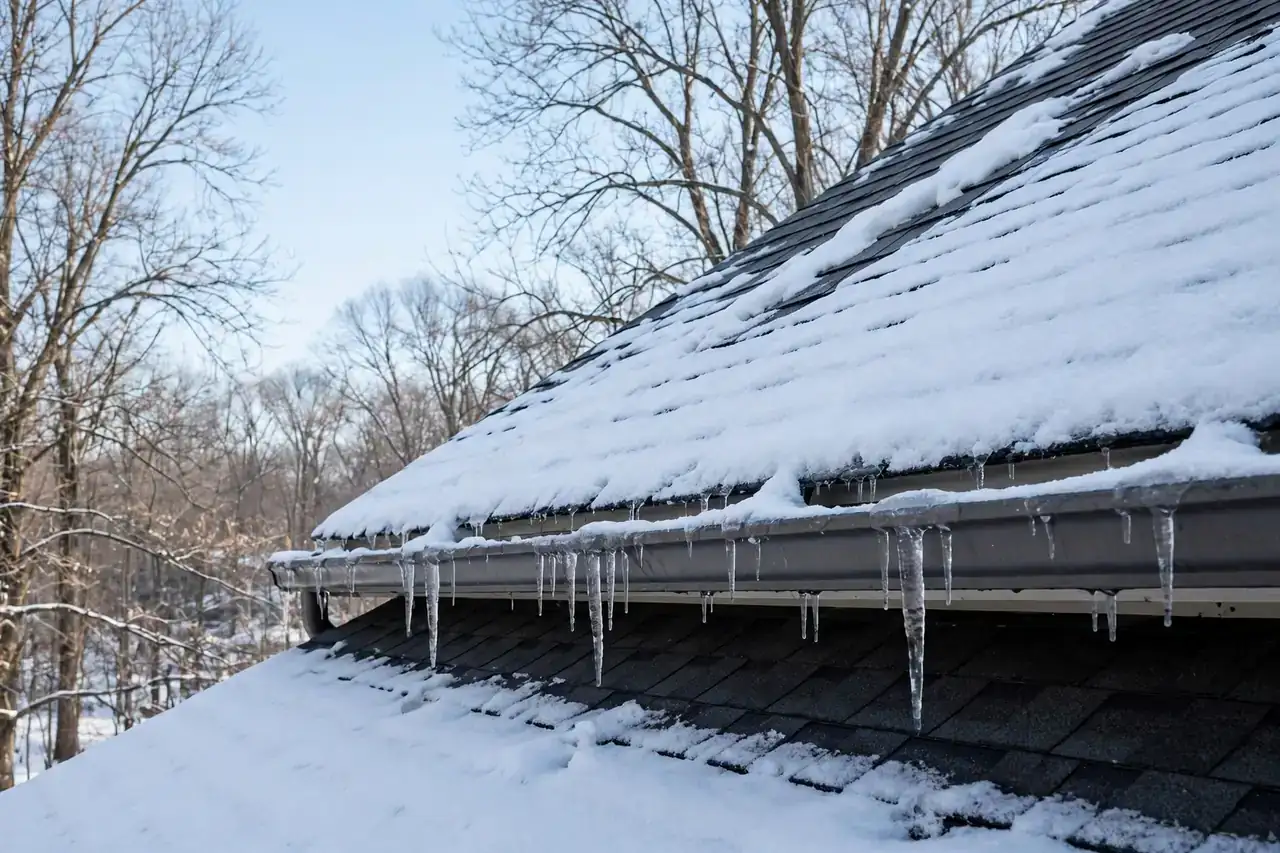
Ice dams form when attic warmth melts snow that refreezes at the colder eaves. Ventilation, insulation, and air sealing are the prevention themes, and the roof inspection page carries a substantive ice-dam prevention section.
Flashing failures at chimneys and walls
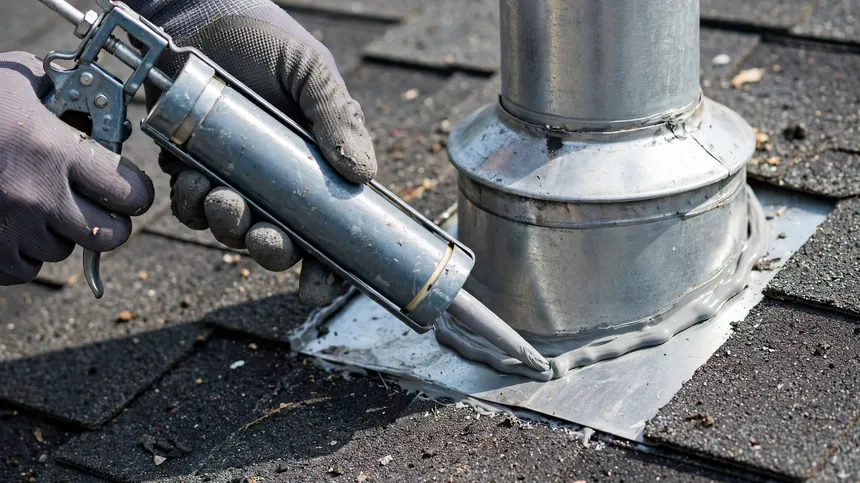
Step and counter flashing at chimneys and walls moves with the house and the seasons. Repeated failure at the same joint is a flashing question first; the chimney flashing repair page covers that detail.
A practical standard for every visit.
Clear planningPrepared arrivalsCareful workLocal follow-through
What to expect
What a Roof Replacement Conversation Covers
A replacement conversation with Quality Roofing LLC starts with the roof in front of you: what the surface and attic show, what the permit and approval steps require for the address, and what scope follows from those facts. The business is a South Bend roofing contractor at 63251 Mulberry Rd, reachable by phone at (574) 901-6308 during the hours listed below. The repair-or-replacement post walks through the same decision from the homeowner side.
- A written scope describing the work proposed, discussed before any work begins
- Findings explained with photographs, attic findings included where the attic was checked
- Permit and historic-district education for the specific address, with the Building Department details above
- Phone contact during listed hours: Mon–Fri 7 AM–7 PM, Sat 8 AM–8 PM, Sun Closed
- A 5.0-star rating from 23 Google reviews, with excerpts and a link to the Google profile below
Neighborhood pages
Neighborhood Pages for South Bend Roofing Notes
Downtown South BendNear NorthwestRiver ParkHoward ParkSunnymedeKeller ParkEdison ParkLincoln ParkLaSalle Park
See all neighborhood pages Notes from local customers
What South Bend Homeowners Say
Quality Roofing did a great job on our roof. They showed up as promised and our roof was completed in 2 days, including tearing off the old shingles, and replacing several sheets of plywood. We are very happy with their work.
The guys were able to finish the job in one day even though the short rain. They were very respectful not only to me but about my property.
I could not have asked for a better crew to redo my roof! They were kind, respectful, cleaned up everything when they finished. My roof looks awesome!
Yes. Re-roofing is permitted work through the joint St. Joseph County / City of South Bend Building Department, and the permit form requires separate cost lines for tear-off/re-roof and for roof overlay, each fee'd separately. The fee schedule has a $60 minimum (Fee Schedule 2026 — verify the current schedule before relying on any fee figure). A signed contract is required at submittal.
A tear-off removes the existing covering down to the deck so the deck can be inspected before the new system goes on. An overlay adds a new covering over the existing one. The permit form treats them as separate cost lines with separate fees, so the choice affects the paperwork as well as the work.
It can. In the HP Overlay, a Certificate of Appropriateness is required before the building permit, and the Historic Preservation Commission reviews. National Register listing alone triggers no review; local designation is what triggers it. In-kind asphalt re-roofing is administratively approvable under the district standards.
By weighing the findings together: how widespread the damage is, the condition of the deck and flashing, the number of prior layers, and what an inspection of the attic shows. No single age figure or threshold decides it. A roof inspection that covers the surface and the attic is the usual starting point.
Keep exploring
Other Roofing Services We Handle
Call during business hours
Talk About a Roof Replacement in South Bend
Call Quality Roofing LLC at (574) 901-6308 during listed hours: Mon–Fri 7 AM–7 PM, Sat 8 AM–8 PM, Sun Closed. Describe what the roof is doing, and the conversation starts from the findings, the permit steps for the address, and a written scope.
Start with the basics
Contact Quality Roofing LLC
Call Quality Roofing LLC at (574) 901-6308 during business hours: Mon–Fri 7 AM–7 PM, Sat 8 AM–8 PM, Sun Closed. Phone is the contact channel for this business. The office address is 63251 Mulberry Rd, South Bend, IN 46614.